by Zoltan Hovanyecz | Oct 6, 2017 | Florida Insurance, Hurricane Irma, Property Damage
Now that we are a few weeks removed from Hurricane Irma’s impact, most Florida citizens who sustained property damage have already reported their claims to their insurance companies. With the huge volume of Hurricane Irma claims, it’s likely that most insureds have not yet received a claims decision or even a payment from their insurance company.
As those claim payments start coming in, the important question is how do you know if the insurance company reimbursed you for the full amount of damages that your property sustained?
There are a few things to keep in mind when receiving that first check from your insurance company:
- Hurricane Deductible: Insurance policies carry larger deductibles for damages resulting from a Hurricane. Hurricane deductibles are typically 2% or 5% of the total amount of insurance coverage. In comparison to your typical $1,000.00 deductible, you could have up to a $15,000.00 deductible (at 5%) on a $300,000.00 insurance policy. If your insurance company is going to make payment, you won’t have to pay your deductible to anyone, but the amount your insurance company pays you will be reduced by your deductible. Keep your deductible in mind when assessing your damages as you may not have enough damage to meet your deductible.
- Documenting Damages: Pictures, pictures, pictures! Take as many photographs and videos of all of the damage inside and outside of your home. This includes fallen debris, water stained walls or ceilings, actual water on surfaces, wet baseboards, missing roof tiles, etc. Down the road, when the insurance company wants to avoid payment, it will be critical to show in photographs where you sustained damages as a result of the storm.
- Roof Damage: If you have sustained damage to your roof, make sure that a qualified and licensed roofer inspects and documents the hurricane damage to your roof. Get an estimate for a roof replacement or repairs. If you have leakage on the interior, make sure to have a tarp installed on your roof until repairs can be made.
- Hidden Damage: Damages may have occurred in places that are not readily visible to you—inside walls, in the attic, underneath roof tiles or shingles, behind cabinets, etc. Water will follow the path of least resistance and damage may not become evident until weeks or months after the storm. You can expect to discover more damages when you begin making repairs and opening walls.
- Signing a Release: The insurance company may offer you money in exchange for signing a Release. A Release typically precludes you from receiving any more money from your insurance company for your claimed damages. It precludes you from submitting supplemental claims to your insurance company and you also give up your right to sue your insurance company. If you sign a Release and find hidden damage down the road, you will not be able to get any more money. Releases are very serious. Do not sign a release from an insurance company unless you have consulted with an attorney.
If you’ve received a payment from your insurance company for Hurricane Irma damages, feel free to give us a call for a free claim evaluation. More likely than not, the insurance company did not pay you what you are entitled to under your insurance policy.
Your Property Damage, Our Problem!
by Zoltan Hovanyecz | Sep 7, 2017 | Florida Homeowners Insurance, Florida Insurance, Hurricane Irma, Property Damage
As we all prepare for Hurricane Irma, and after you have made sure you and your family are safe, it is important to take some quick steps to ensure that once Hurricane Irma passes, any hurricane related damage to your home or business is promptly reported to your insurance company, assessed, inspected by your insurer and other professionals, repaired by a reputable contractor, and ultimately paid for in full by your insurance company (less your deductible of course).
The Florida Justice Association has put together a great list of tips you should keep in mind to ensure everything with your insurance company goes smoothly after the storm. Keep in mind that immediately after the hurricane, there will be people out here looking to take advantage of our desperate citizens. 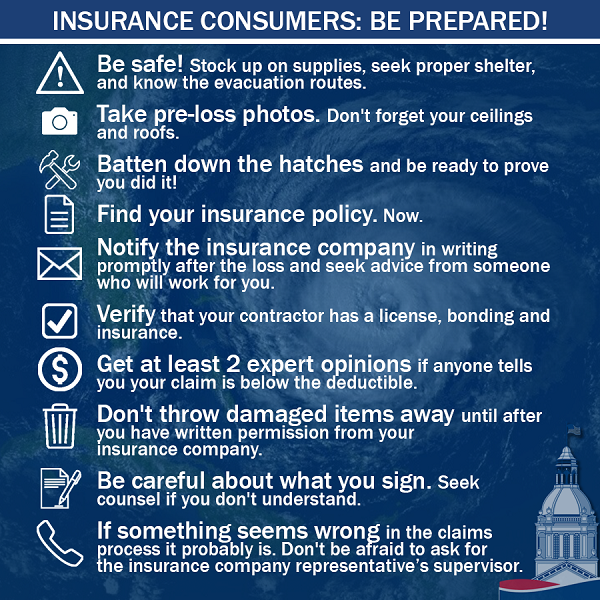 This is why one of the most important post-storm tips is to know exactly who you are dealing with and what you are signing before you enter into any agreements with anyone. Be careful of anyone who tells you not to worry about the cost of their services because your insurance company will pay for it. The bottom line is: do not sign anything you are not 100% certain about without first consulting an attorney familiar with the handling of property insurance claims.
We hope that insurance companies will be quick, fair, and reasonable in adjusting Hurricane Irma claims, but there will inevitably be issues. We will be here after Hurricane Irma to provide legal advice and representation to our fellow Floridians affected by the storm and dealing with their insurance companies. We hope that the storm’s impact is minimal, but property damage is almost a certainty and you should ensure your property interests are protected, both before and after the Hurricane Irma.
Your Property Damage, Our Problem!
by Zoltan Hovanyecz | Aug 26, 2015 | Florida Insurance, Property Damage
Although you can never prepare for an insurance company’s dishonest tactics, you can certainly make sure you’ve done everything in your control to ensure the best chance of a fair and prompt resolution to your insurance claim stemming from hurricane damage to your home or business. This post will discuss the steps you can take before a hurricane strikes that will put you in the best position to recover the full amount of damages from your insurance company. The National Hurricane Center and a number of other sites have extensive guides on how to personally prepare your home and family for a hurricane so this post will only discuss the insurance aspect of hurricane preparedness.
Check Your Insurance Policy
Before you can even file a claim, you need to make sure you have the appropriate insurance policy and sufficient coverages. This includes making sure you have:
- Enough dollar amount of coverage under the dwelling portion (Coverage A) of your insurance policy to replace your entire home or business in case of a total loss. Too often when reviewing insurance policies I find that some clients do not even know that they are underinsured.
- Enough coverage for your personal property and scheduled items keeping in mind that typical insurance policies have very low limits for jewelry and collectibles unless you have specifically paid for scheduled or itemized coverages.
Document Your Home and Personal Property
When you file a claim with your insurance company, it would be helpful to show the condition of your home or business prior to the damage. Similarly, if you sustain damage to your personal property, the insurance company will want to see the condition and existence of the personal property prior to the damage.
I’ve found that the most efficient way of documenting personal property is by taking a video. This is very easy to do on your cell phone and can take as little as a few minutes to simply walk around your home documenting your personal property while narrating the descriptions. You can even store your video remotely on a cloud based service like Dropbox or iCloud should your phone become damaged or lost.
Have Your Home and Property Inspected
Insurance companies often deny claims saying that the damage is preexisting damage so it’s important to document the condition of your home prior to sustaining damage, especially your roof and interior finishes, showing that there are no current leaks or damage. Also have the rest of your home inspected and documented including screened enclosures, fences and air conditioning systems.
Know Who to Call When Disaster Strikes
Once you sustain damage to your home or business, depending on the severity, you should be prepared to call someone you trust to prevent any further damage to your home and to make temporary repairs. For example, if you sustain damage to your roof, you should be prepared to put a tarp on your roof. If you sustain water damage on the inside of your home, be prepared to call someone who can remove the water. And when you are ready to file an insurance claim, you should have someone you trust who you can call to handle your insurance claim for you.
If you have any questions on preparing your home or business for a hurricane or if you have suffered hurricane damage in Broward, Palm Beach, or Miami-Dade County, contact us for guidance or information.
For information on how to personally prepare yourself or family, a good resource is the National Hurricane Center’s hurricane preparedness guide which can be found here.
by Zoltan Hovanyecz | Jul 24, 2015 | Florida Homeowners Insurance, Florida Insurance
In Florida, most homeowners insurance policies contain a clause stating how soon a policyholder is required to report their insurance claim to the insurance company. Although each insurance policy differs slightly regarding notice to the insurance company, most policies consist of essentially the same reporting requirement. When a loss occurs a policy holder must:
give prompt notice to us or our agent
For example, during hurricane Wilma, many policyholders suffered damage to their roofs that was not immediately noticeable so these policyholders did not file insurance claims. It is not until sometime later that the policyholder’s roof would begin to leak from the damage caused by the hurricane. Because of this, some policyholders first reported their hurricane Wilma claim to their insurance company months and sometimes years after hurricane Wilma came through Florida. These “late reported” claims resulted in years of litigation in Florida Courts regarding what constitutes “prompt” notice and whether the insurance company is required to pay for the insurance claim when the notice is not “prompt.”
Reporting of Non-Hurricane Related Insurance Claims
For typical property insurance claims that do not result from hurricane damage, such as plumbing leaks, fires, drain backup, etc., “prompt” has been interpreted by Florida courts, in the most simplest sense, to mean that you must report your claim such that the insurance company is not prevented from conducting a full independent investigation and determination of coverage for your insurance claim under your insurance policy. Florida courts typically refer to this concept as “prejudice”, and depending on how “prompt” your reporting was, prejudice may be presumed against you and you may be required to prove that the reporting of your insurance claim did not “prejudice” the insurance company. For a full discussion of the legal standard for “prejudice”, you can read the Third District Court of Appeals case of Hope v. Citizens Property Insurance Corporation here. Some of the things that may considered “prejudicial” to the insurance company are:
- Repairs made to the home such that the insurance company cannot inspect the damages that existed at the time of the loss
- Discarding plumbing parts, pipes, or damaged building materials making them unavailable for inspection by the insurance company
- Failing to protect the property from additional damage resulting in further damage that makes it impossible for the insurance company to inspect the damages as they existed at the time of loss
Although these factors may make it more difficult to recover from the insurance company, they do not necessarily preclude you from doing so. Contact us for a free evaluation of your claim.
Reporting of Hurricane Related Insurance Claims
Since hurricane Wilma, the Florida legislature has created Fla. Stat. § 627.70132 which specifically address the time in which an insurance claim involving damage from a hurricane must be reported to the insurance company:
A claim, supplemental claim, or reopened claim . . . for loss or damage caused by the peril of windstorm or hurricane is barred unless notice of the claim . . . was given to the insurer . . . within 3 years after the hurricane first made landfall or the windstorm caused the covered damage.
If you have any questions about your insurance claim, please contact us.
by Zoltan Hovanyecz | Jul 1, 2015 | Florida Insurance, Property Damage
Condominium living in South Florida is a popular and convenient choice that comes with pros and cons. One of the biggest problems we have to deal with involving condominiums is when a unit owner suffers water damage to their own condo unit due to a water leak or plumbing break from a neighboring condominium unit (usually from a unit above). This problem is made worse when one or both of the unit owners do not have property insurance. This is more common than you would expect, even when many South Florida condominium associations have a mandatory requirement that each unit owner carry insurance for their own unit. The condominium association itself must also carry property insurance for the common areas of the building.
In Florida, condominium associations and condominium owners are governed by Chapter 718, Florida Statutes. This chapter explains in detail which areas of the condominium building must be insured by the condominium association’s insurance policy and those areas that are the responsibility of the individual unit owner.
According to §718.111(11), a condominium unit owner is responsible for insuring the following areas:
- All personal property (within the unit or in limited common elements)
- Floor, wall, and ceiling coverings (tile, marble, wood floors, paint, etc.)
- Built-in cabinets and countertops (kitchen cabinets, bathroom vanities, etc.)
- Water heaters (one of the most common sources of water damage)
- Electrical fixtures
- Appliances
- Water filters
- Window treatments, (curtains, drapes, blinds, hardware, etc.)
Of course if you do not have your own insurance coverage and your unit suffers water damage, you will be responsible for repairing the damage in these areas. If the water damage was caused by someone else in a unit above you or next to you, you may be able to recover from that person directly or their insurance company if they have one. However, whether that person’s insurance will pay for the water damage to your unit will depend on the specific facts of the claim.
As a condominium unit owner in South Florida, you have to expect that your unit can be damaged not only by a neighboring unit or the condominium building itself (such as a roof leak or leak from a common plumbing line), but also from the forces of nature. The best way to protect yourself from the uncertainty of potential damage is by buying insurance for your condominium unit.
Should you find yourself in a situation where your condominium unit has been damaged either by a neighboring unit, the condominium building itself, or the forces of nature, contact Schatzman & Hovanyecz, P.A. to discuss the facts of your claim and how we can best help bring about a favorable resolution for you.