
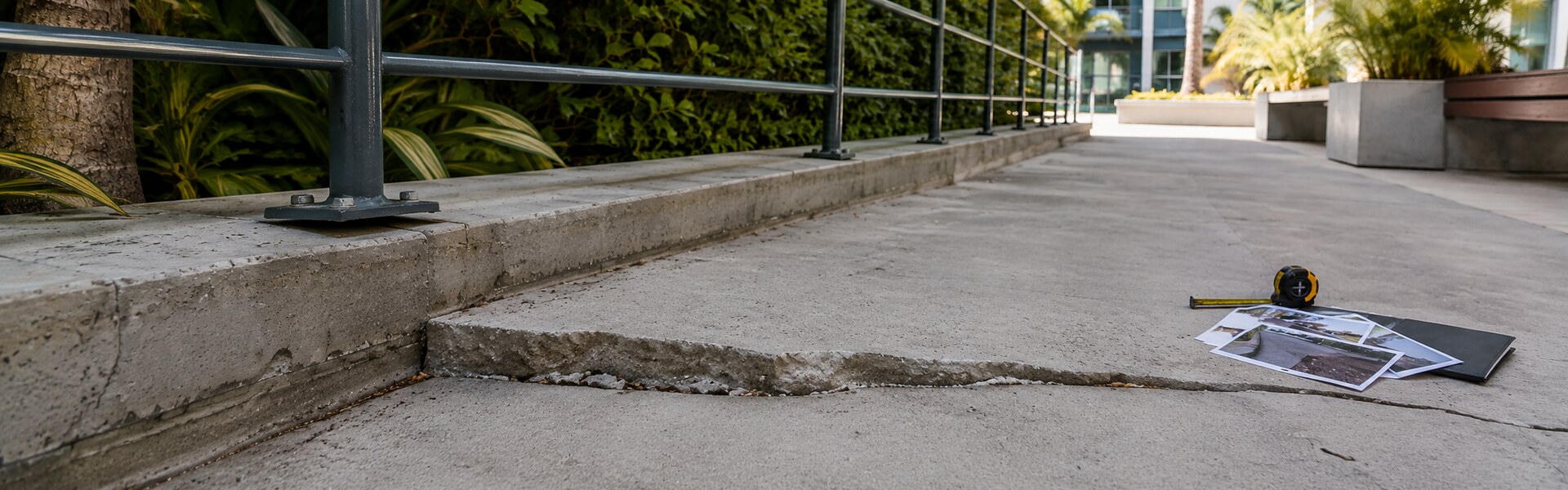
Florida Negligence and Personal Injury Claims
Representation for people injured because another person or business failed to act with reasonable care.
An injury can affect far more than the immediate medical treatment. Pain, missed work, ongoing care, physical limitations, and uncertainty about the future may continue long after the incident.
Schatzman & Hovanyecz, P.A. represents people in Florida negligence, personal injury, and premises liability claims. We examine how the incident occurred, who was responsible, the available insurance, and the full effect of the injuries.
Discuss Your Injury Claim
(954) 418-2296
Free consultation • No recovery, no fee
When Negligence Causes an Injury
A claim may begin with unsafe conduct, a preventable incident, or a property condition that should have been corrected or clearly identified.
Negligence
A person or business fails to use reasonable care, and that failure causes a preventable injury.
Personal Injury
An injured person seeks compensation for medical expenses, lost income, pain, limitations, and other consequences of the incident.
Premises Liability
Unsafe property conditions, inadequate warnings, or failures to inspect or correct hazards cause injury to a lawful visitor.
Injuries and Resulting Losses
A serious injury claim should account for both the immediate harm and the ways the injury may affect health, work, independence, and daily life over time.
Serious Injuries
Fractures, head injuries, spinal injuries, internal injuries, and other conditions that require significant treatment or recovery.
Medical Care and Expenses
Emergency treatment, hospitalization, surgery, therapy, medication, diagnostic testing, and related medical costs.
Lost Income
Wages and other income lost while an injury prevents a person from working or returning to regular duties.
Reduced Earning Capacity
A lasting injury may reduce a person’s ability to perform prior work, advance professionally, or earn income in the future.
Pain and Suffering
Physical pain, emotional distress, inconvenience, and the disruption an injury causes in ordinary life.
Permanent Impairment
Long term limitations, reduced mobility, loss of function, or other lasting effects supported by the medical evidence.
Scarring and Disfigurement
Visible scarring, surgical scars, burns, and other permanent changes that affect appearance or function.
Future Care and Rehabilitation
Ongoing therapy, rehabilitation, medical equipment, assistance, or treatment reasonably expected after the initial recovery period.
Loss of Enjoyment of Life
Injuries may interfere with family life, recreation, independence, and activities that were important before the incident.
Explore Negligence and Personal Injury Issues
The full effect of an injury may develop over time:
A claim may involve disputed responsibility, multiple insurance policies, extensive treatment, missed work, future care, permanent limitations, and losses that are not captured by the first medical bill.
Negligence Claims
A negligence claim generally examines whether a person or business owed a duty of care, failed to act reasonably under the circumstances, and caused an injury and resulting losses. Evidence may include photographs, video, incident reports, witness accounts, policies and procedures, medical records, and insurance information.
Personal Injury Claims
A personal injury claim should address the complete consequences of the incident, including the diagnosis, treatment, recovery, missed work, physical limitations, and effects on daily life. The value and available remedies depend on the facts, evidence, insurance, and nature of the injuries.
Premises Liability
Premises liability claims may arise from unsafe conditions at stores, offices, apartment properties, common areas, walkways, stairs, parking areas, and other locations. Important questions include who controlled the property, how long the condition existed, whether it should have been discovered, and whether adequate warnings or corrective measures were provided.
Serious Injuries
Serious injuries may require emergency care, surgery, hospitalization, therapy, specialist treatment, or a lengthy recovery. Medical findings, treatment recommendations, functional limitations, and the expected course of recovery help document both present and future consequences.
Medical Expenses and Future Care
Recoverable medical losses may include treatment already received and care reasonably expected in the future. Bills alone may not show the full picture; records, physician opinions, rehabilitation needs, medications, equipment, and assistance may also be important.
Lost Income and Reduced Earning Capacity
An injury may cause missed work, reduced hours, lost business income, or an inability to return to the same occupation. Wage records, tax documents, employment history, medical restrictions, and vocational evidence may help establish past and future economic loss.
Pain, Suffering, and Loss of Enjoyment
Some consequences do not appear on an invoice. Physical pain, emotional distress, inconvenience, sleep disruption, reduced independence, and the inability to participate in ordinary activities may be significant parts of an injury claim when supported by the evidence.
Proving Negligence and Damages
Liability and damages are often disputed separately. Preserving photographs, video, witness information, incident records, medical documentation, employment records, and communications can help show both how the incident happened and how the injuries affected the person afterward.
Talk With a Florida Negligence and Personal Injury Attorney
If you were injured because a person or business failed to use reasonable care, call for a free consultation.
(954) 418-2296